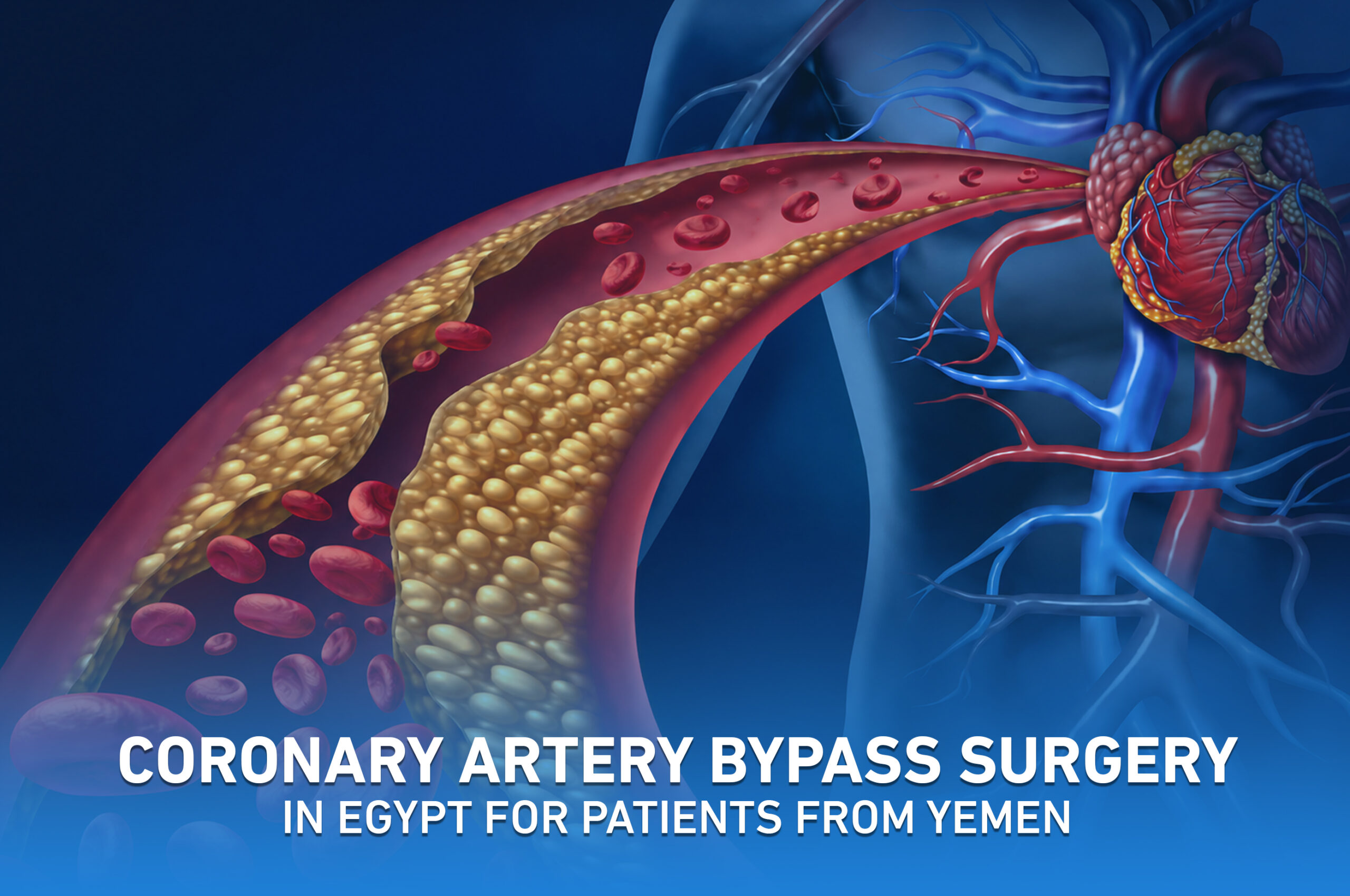
Coronary artery bypass grafting (CABG) is one of the most important heart surgeries used to treat severe coronary artery blockages when medications or stents are no longer effective. Many patients from Yemen choose to travel to Egypt for this procedure due to the availability of experienced cardiac surgeons, advanced medical facilities, and relatively affordable treatment costs.
Why Do Patients from Yemen Choose Egypt for Heart Surgery?
Egypt has become a preferred destination for Yemeni patients for several reasons:
- Highly experienced cardiac surgeons in coronary bypass procedures
- Well-equipped specialized cardiac centers with modern technology
- Lower treatment costs compared to many other countries
- Easier communication and Arabic-speaking medical teams
- Strong experience in managing international patients
When Is Coronary Bypass Surgery Needed?
CABG is usually recommended in the following situations:
- Blockage in multiple coronary arteries
- Left main coronary artery disease
- Recurrent angina despite medical treatment
- Reduced heart function due to poor blood supply
- Failure or unsuitability of stent procedures
Required Tests Before Traveling to Egypt
Before deciding to travel for surgery, patients are usually advised to complete key medical tests, including:
1. Coronary Angiography (Cardiac Catheterization)
- Identifies the exact location and severity of blockages
- Determines the number of affected arteries
2. Echocardiography
- Assesses heart muscle function
- Evaluates valves and pumping efficiency
3. Electrocardiogram (ECG)
- Evaluates heart rhythm and electrical activity
- Detects previous heart attacks or ischemia
4. Blood Tests
- Kidney and liver function
- Blood sugar levels (HbA1c)
- Cholesterol profile
- Blood clotting tests
5. Chest X-ray
- Assesses heart size and lung condition
Steps of Coronary Artery Bypass Surgery in Egypt
1. Preoperative Evaluation
The cardiac surgeon reviews all medical reports and imaging to design a personalized surgical plan.
2. General Anesthesia
The procedure is performed under full anesthesia for patient safety and comfort.
3. Opening the Chest
The sternum (breastbone) is opened to access the heart safely.
4. Harvesting Bypass Grafts
Blood vessels used for bypass may include:
- Internal mammary artery
- Saphenous vein from the leg
5. Creating the Bypass
New pathways are created to bypass blocked arteries and restore blood flow to the heart muscle.
6. Closing the Chest
The sternum is closed and stabilized using surgical wires after ensuring the heart is functioning properly.
Recovery After Surgery
Typical recovery includes:
- 1–2 days in intensive care unit (ICU)
- 5–7 days in hospital stay
- Gradual return to normal activities within 6–12 weeks
Important Postoperative Instructions
- Take prescribed medications regularly
- Walk gradually to improve circulation
- Control blood pressure and diabetes
- Avoid heavy lifting in early recovery
- Stop smoking completely
- Attend regular follow-up visits
Is Coronary Bypass Surgery Safe?
Although it is a major surgery, it is considered safe when performed in specialized centers:
- High success rates
- Widely performed worldwide
- Significantly reduces risk of future heart attacks
Conclusion
Coronary artery bypass surgery in Egypt is an effective treatment option for Yemeni patients with advanced coronary artery disease. With experienced surgeons and modern cardiac centers, Egypt provides a reliable and accessible destination for high-quality heart care. Proper preoperative evaluation is essential to ensure safe travel and optimal surgical outcomes.
Schedule a Consultation
If you are a patient from Yemen diagnosed with coronary artery disease, Dr. Ihab Elsharkawy provides specialized cardiac evaluation and treatment planning to help you determine the most appropriate surgical approach before traveling to Egypt.