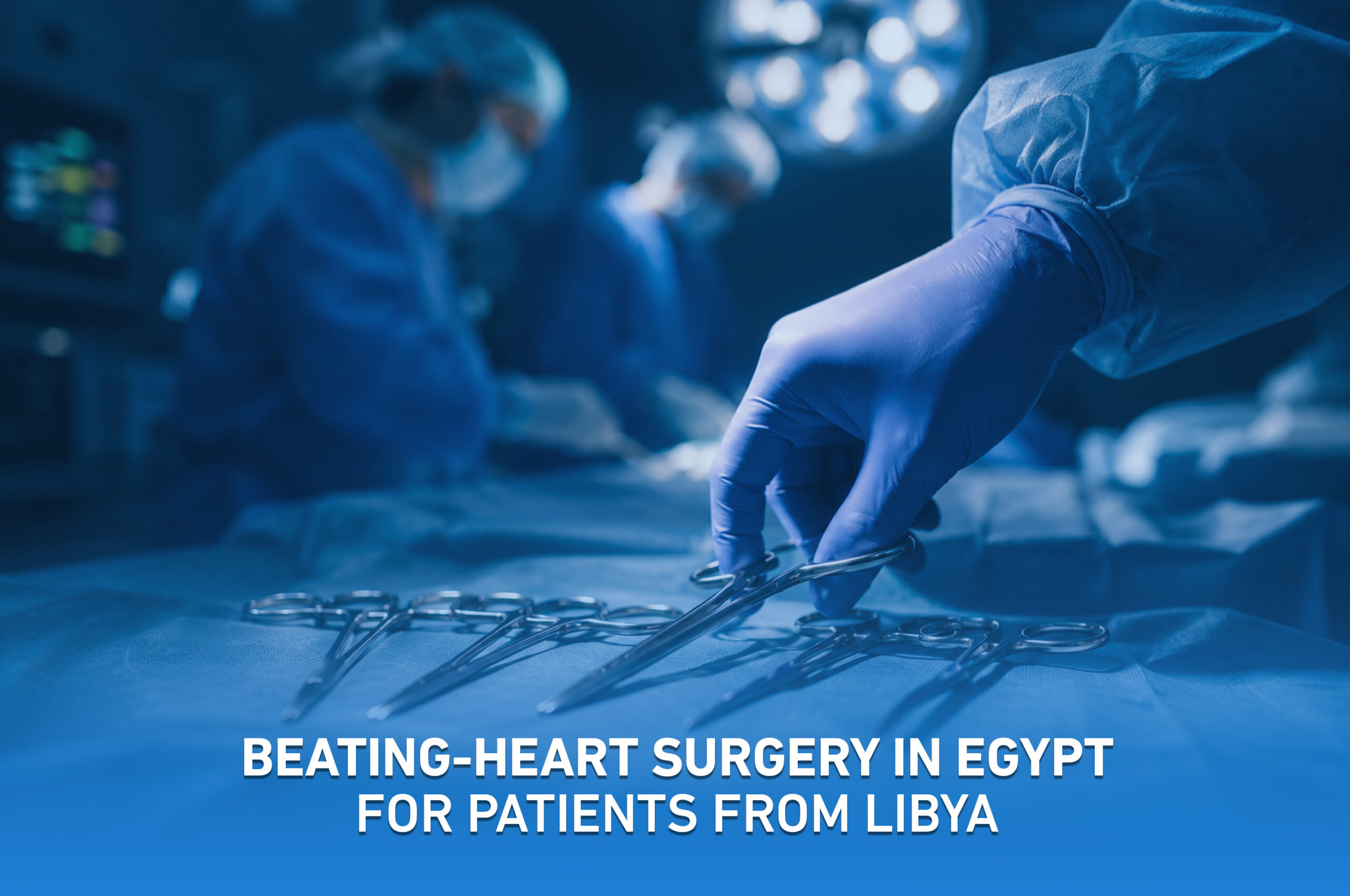
Beating-heart surgery, also known as Off-Pump Coronary Artery Bypass Surgery (OPCAB), is an advanced surgical technique used to treat coronary artery disease. Unlike traditional bypass surgery, the procedure is performed while the heart continues to beat, without routinely using a heart-lung machine in selected patients.
Many patients from Libya choose to travel to Egypt for specialized cardiac care, benefiting from experienced heart surgery teams and comprehensive evaluation, treatment, and follow-up services.
What Is Beating-Heart Surgery?
In traditional coronary artery bypass surgery:
- The heart is temporarily stopped
- A heart-lung machine takes over circulation
- Bypass grafts are performed while the heart is not beating
In beating-heart surgery:
- The heart continues to beat throughout the procedure
- Specialized stabilizing devices are used
- Coronary bypass grafts are performed without stopping the heart
When Is Beating-Heart Surgery Recommended?
This technique may be considered for patients with:
- Multiple coronary artery blockages
- Advanced age
- Diabetes
- Chronic kidney disease
- Certain high-risk surgical conditions
However, the final decision depends on a detailed assessment of the coronary anatomy and the patient’s overall health.
How Are Patients from Libya Evaluated Before Surgery?
Before scheduling surgery, the cardiac team reviews:
1. Coronary Angiography Reports
- Number of affected arteries
- Location and severity of blockages
2. Echocardiography (Heart Ultrasound)
- Heart muscle function
- Valve condition and overall cardiac performance
3. Medical History
- Chronic illnesses
- Previous surgeries or cardiac procedures
- Current medications
4. Laboratory Tests
- Kidney and liver function
- Complete blood count
- Blood clotting profile
In many cases, patients can send their medical reports before traveling to receive an initial evaluation and treatment recommendation.
Why Do Patients from Libya Choose Egypt?
Many Libyan patients choose Egypt because of:
- Experienced cardiac surgery specialists
- Availability of advanced beating-heart surgery techniques
- Arabic-speaking medical teams
- Comprehensive evaluation and follow-up services
- Convenient medical coordination before travel
What Medical Documents Should You Bring?
Patients are encouraged to bring:
- Coronary angiography images and reports
- Recent echocardiography reports
- Laboratory test results
- A list of current medications
- Records of previous heart procedures or surgeries
Having these documents available helps the medical team develop an accurate treatment plan more efficiently.
What Are the Benefits of Beating-Heart Surgery?
In selected patients, this approach may help:
- Reduce certain complications associated with the heart-lung machine
- Decrease the need for blood transfusions
- Shorten hospital stay
- Promote faster recovery
- Improve outcomes in some high-risk patients
Conclusion
Beating-heart surgery in Egypt offers an advanced treatment option for selected patients from Libya with coronary artery disease. Successful outcomes depend on careful evaluation, proper patient selection, and an individualized treatment plan designed to provide the safest and most effective care.
Schedule a Consultation
If you are a patient from Libya with coronary artery disease or have been advised to undergo bypass surgery, Dr. Ihab Elsharkawy provides specialized cardiac evaluation and treatment planning. You can send your medical reports before traveling to Egypt for an initial assessment and personalized recommendations.